Why you’re not too old to start writing that book

Your years of living aren’t just background noise; they’re your raw material. Every job you’ve hated, every relationship that taught you something, every mistake that made you wiser, that’s all fodder for your writing. In non-fiction especially, deep knowledge of your subject matter is essential. You might not have possessed that expertise in your twenties or thirties. Now you do.
How daily creative writing practice can boost your child’s problem-solving skills

The brain science behind creative writing and problem-solving – When children engage in creative writing, they activate multiple areas of the brain simultaneously. They’re organizing thoughts, choosing precise words, structuring ideas with clarity, and managing several story elements at once: plot, characters, dialogue, and setting. This mental juggling act is exactly the kind of cognitive flexibility that translates directly into academic success.
Getting unstuck: everything aspiring authors need to succeed

The path from aspiring author to published author isn’t always smooth, but it’s absolutely possible. Every successful writer was once where you are now, staring at a blank page and wondering if they had what it takes.
Why professionals should turn their expertise into books

A book doesn’t just establish your expertise: it creates opportunities that didn’t exist before. Speaking engagements, consulting offers, media interviews, and partnership proposals all become significantly easier to secure when you have a published work to point to.
How to inspire your child to start writing stories
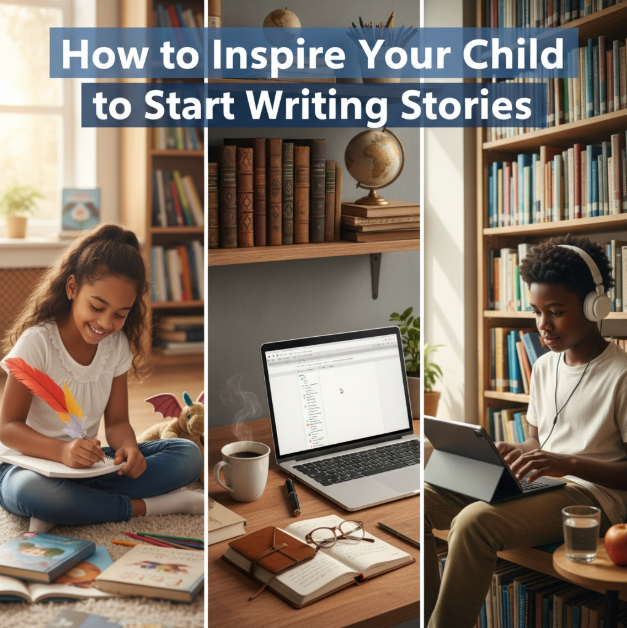
Whether your child is naturally drawn to books or seems more interested in video games and sports, every kid has stories inside them waiting to come out. As parents and carers, we have the power to unlock that creativity and help our children discover the joy of bringing their imaginations to life through words.
The magic happens when you start writing. Once your fingers are moving and words are appearing on the page, momentum builds. You remember that you actually can do this writing thing.
Struggling with writer’s block? 50+ creative writing prompts to get unstuck
A good prompt does three things: it gives your brain a specific starting point, removes the paralysis of infinite choice, and tricks you into writing without the weight of expectations. You’re not writing your magnum opus: you’re just responding to a silly scenario about a talking frog or exploring what happens when someone receives an unusual gift.
The magic happens when you start writing. Once your fingers are moving and words are appearing on the page, momentum builds. You remember that you actually can do this writing thing.
How to develop strong characters your readers will love

You’ve probably experienced it yourself: getting completely absorbed in a book because you genuinely cared what happened to the main character. Maybe you stayed up way too late reading because you had to know if the heroine would end up with her Prince Charming, or you found yourself rooting for your favourite character even when she made questionable decisions.
How to turn your child’s everyday experiences into story ideas
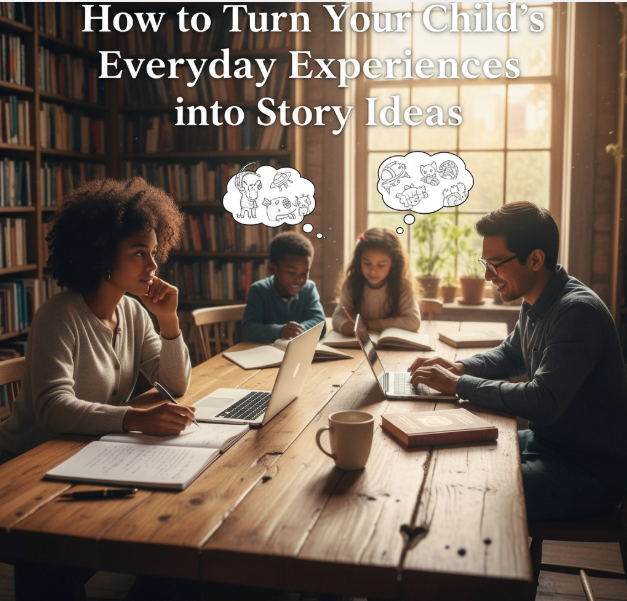
Seemingly ordinary moments in your child’s day are actually goldmines for creative writing ideas. Every scraped knee, every argument with a sibling, every trip to the grocery store contains the seeds of compelling stories.
The business side of self-publishing for nonfiction authors

Most nonfiction writers dive into self publishing thinking it’s just about getting their expertise out there. But if you want to make real money and build a sustainable career, you need to think like a business owner, not just an author.
New writers: how to build a writing routine that sticks

When you decided you were going to take your writing seriously, you probably tried to start a writing routine. Maybe you lasted a week. Maybe two weeks if you were really motivated. Then life happened, you missed a day, felt guilty, and gave up entirely.