Featured Story Number #27 – The Superpower
On the last day of summer, four friends hold a long jump competition in a quiet driveway. But when one of them takes his turn, something impossible happens. Instead of landing on the pavement, he finds himself flying through his uncle’s grand manor house just like he did as a child. Moments later, he’s back on the driveway with his friends staring in shock.
How storytelling helps children reclaim agency

When children are given the space to tell stories, something powerful happens. They stop being passengers in their experiences and start becoming authors of them.
Through storytelling, children practice choice, they explore fear safely, they imagine solutions before they face them.
The brave princess, the misunderstood dragon, the child who finds their way through chaos; these aren’t “just stories.” They’re rehearsals for real life.
Featured Story Number #26 – Disaster at the Fair
When a thrilling fair ride malfunctions, Josephine and her friends race against time to save trapped passengers. Amid smoke, sparks, and rising panic, the teens battle fear and failure to shut down the runaway ride. Disaster at the Fair is an adventure about courage, teamwork, and acting fast in danger.
Featured Story Number #25 – The Cat in the Library
When mysterious sounds echo through an empty school library, Harper and her friends fear a ghost. Their mission leads to a heartwarming surprise. The Cat in the Library is a cosy mystery about friendship, bravery, and an unexpected new pet.
How to turn your child’s everyday experiences into story ideas
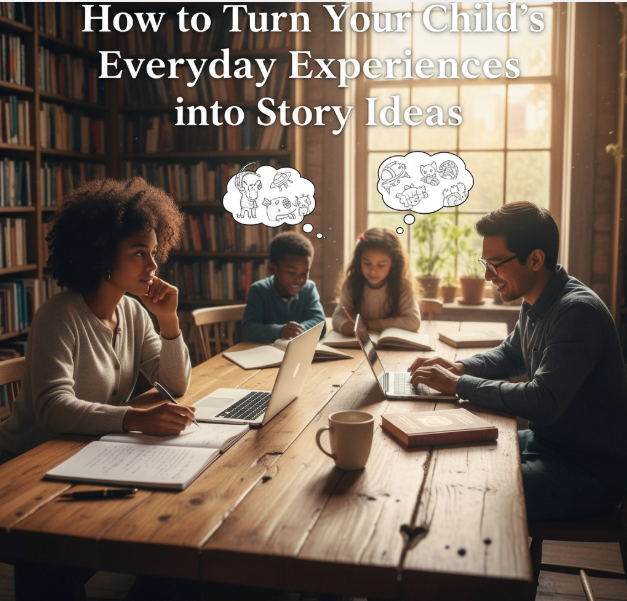
Seemingly ordinary moments in your child’s day are actually goldmines for creative writing ideas. Every scraped knee, every argument with a sibling, every trip to the grocery store contains the seeds of compelling stories.
Why creative writing should be in every school curriculum
Creative writing is not just some “nice-to-have” elective that gets cut when budgets tighten. Creative writing should be as fundamental to education as math and science.
Balancing screen time and writing time: tips for busy parents

Finding balance doesn’t mean eliminating screens entirely or feeling guilty every time your child picks up a tablet. It’s about creating intentional space for other activities: especially creative writing: that can be just as engaging and far more beneficial for their developing minds.
Why parents should embrace their child’s weird story ideas

Research shows that when children craft their own narratives, no matter how unconventional, they encounter situations that demand unique vocabulary, sentence structures, and creative problem-solving.
Debunking the “Natural Talent” Myth Aspiring Writers Believe

The “natural talent” myth is probably the biggest load of nonsense holding back aspiring writers today. Researchers have been studying this for decades, and the evidence is crystal clear: talent is developed, not inborn.
How to Support Your Young Author: Practical Steps for Parents
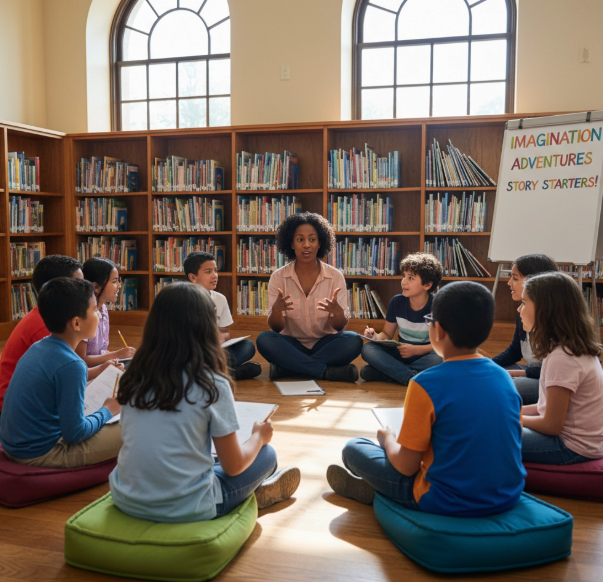
Supporting a young writer isn’t about becoming their editor-in-chief or their biggest critic. It’s about creating space for their creativity to flourish while giving them the tools and confidence they need to keep going. And trust me, there will be moments when they need that encouragement.