How to turn your child’s love for video games into a creative writing project

Is your child obsessed with video games? What if their screen time could become story time?
Before you worry about “too much gaming,” consider this: modern video games teach world-building, character development, plot structure, and creative storytelling, the same skills used in creative writing. In this article, I share how you can turn your child’s love for Minecraft, Roblox, Zelda or other narrative games into a powerful creative writing project. If you’re a parent of a child or teenager who loves gaming, this could completely change how you see their hobby.
Let’s turn players into authors. ✍️
Read more here.
#CreativeWritingForKids #ParentingTips #ScreenTimeBalance #VideoGames #KidsWhoWrite #LiteracyMatters #YoungWriters #TolulopePopoola #WritingCoach #AccomplishPress
Creative Writing for Kids: The hidden skill that strengthens every other school subject
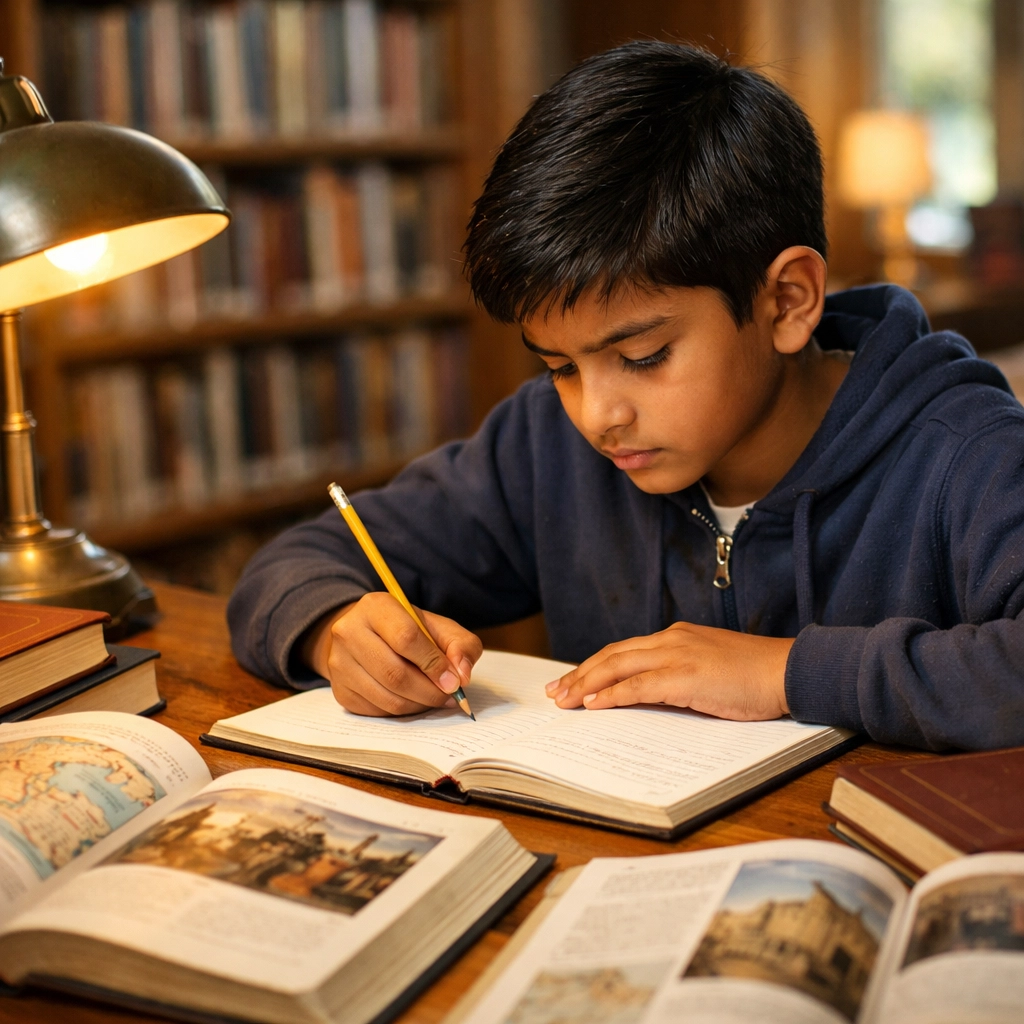
Parent, if you’re only thinking about English grades, you’re thinking too small. Creative writing builds critical thinking, academic strength across subjects, clear communication skills, resilience and confidence in your child.
The child who can structure a story can structure a science report. The child who can analyse a character can analyse a historical event. The child who can revise a draft can tackle a difficult maths concept.
Creative writing isn’t just a hobby. It’s a life skill.
If you want more than “just passing” for your child, read this article.
#CreativeWritingForKids #ConfidentLearners #CriticalThinking #ParentingWithPurpose #KidsWhoWrite
Featured Story Number #27 – The Superpower
On the last day of summer, four friends hold a long jump competition in a quiet driveway. But when one of them takes his turn, something impossible happens. Instead of landing on the pavement, he finds himself flying through his uncle’s grand manor house just like he did as a child. Moments later, he’s back on the driveway with his friends staring in shock.
Why professional support matters for young authors
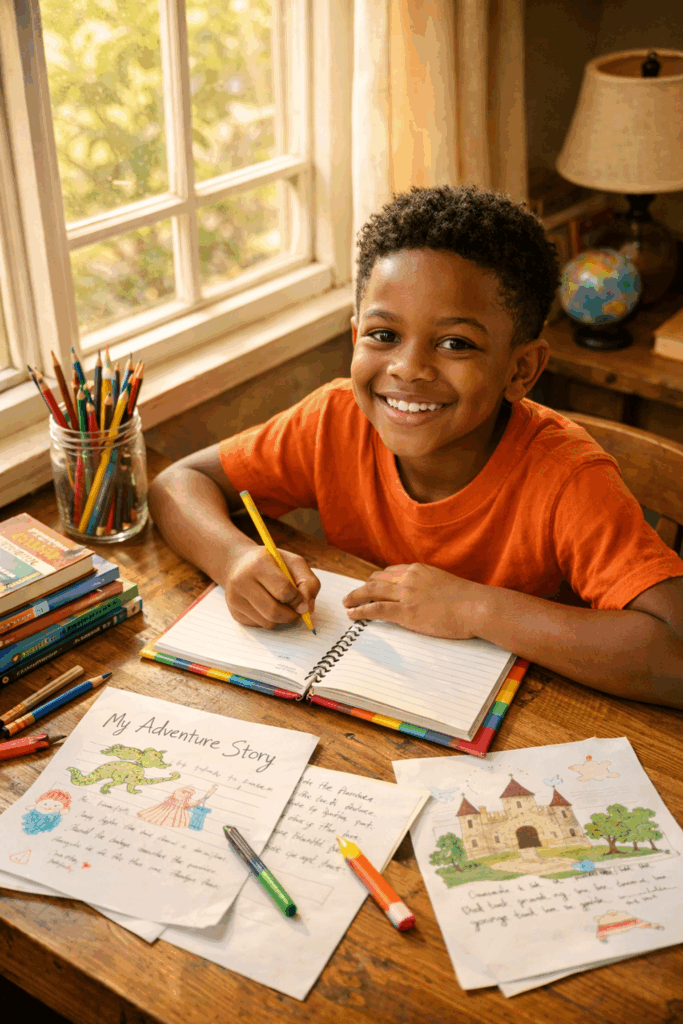
If your child loves writing and storytelling but feels stuck, frustrated, or unsure how to improve, working with a children’s writing coach could make all the difference. While parents play an essential role in encouraging creativity, professional writing support helps young writers develop the technical skills, structure, and confidence they need to grow.
In this article, we explore how a children’s writing coach provides personalised feedback, teaches essential storytelling techniques such as character development and plot structure, and helps kids set achievable writing goals. Unlike traditional school writing lessons, creative writing coaching focuses on imagination, voice development, and real-world publishing insight tailored specifically for young writers.
From bedtime stories to book deals: How to support your child’s writing dreams

When a child says they want to play football professionally, parents sign them up for training. When they show talent in music, we get them lessons and a proper instrument. But when they want to write? We hand them a notebook and hope for the best.
Taking your child’s writing ambitions seriously doesn’t mean pushing them into early burnout or turning creativity into a chore. It means recognizing that if they’re passionate about storytelling, they deserve the same support and structure we’d give any other meaningful pursuit.
What it means to take writers seriously, especially children

Children are natural storytellers. The worlds they create, the characters they invent, the questions they ask; those are not distractions from “real learning.” They are learning. And when their stories are dismissed as cute or unimportant, something powerful gets silenced.
Taking young writers seriously doesn’t mean pretending every story is perfect. It means listening, providing resources, offering guidance and celebrating effort, not just outcomes. It means saying, “Your voice matters.”
When children feel seen as writers, they don’t just write better stories, they grow into confident thinkers and communicators who aren’t afraid to share their ideas.
How storytelling helps children reclaim agency

When children are given the space to tell stories, something powerful happens. They stop being passengers in their experiences and start becoming authors of them.
Through storytelling, children practice choice, they explore fear safely, they imagine solutions before they face them.
The brave princess, the misunderstood dragon, the child who finds their way through chaos; these aren’t “just stories.” They’re rehearsals for real life.
Why creative expression is not a luxury for children
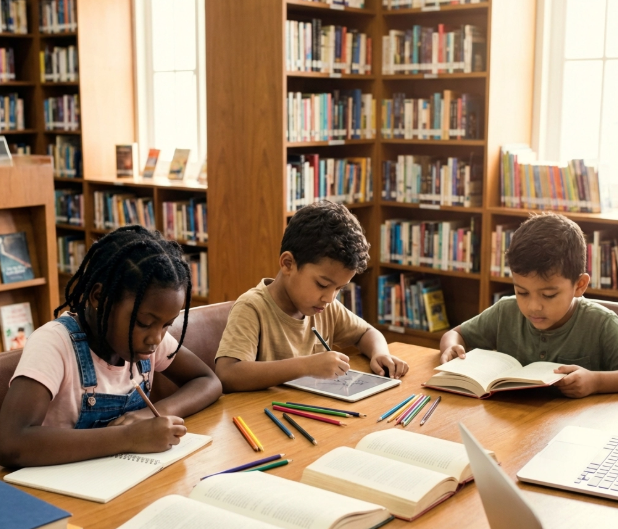
Creative expression isn’t the cherry on top of a child’s education. It’s not a luxury reserved for families with extra time and money. It’s actually one of the most fundamental building blocks of healthy child development, right up there with learning to read and basic numeracy.
How we are nurturing the next generation of storytellers
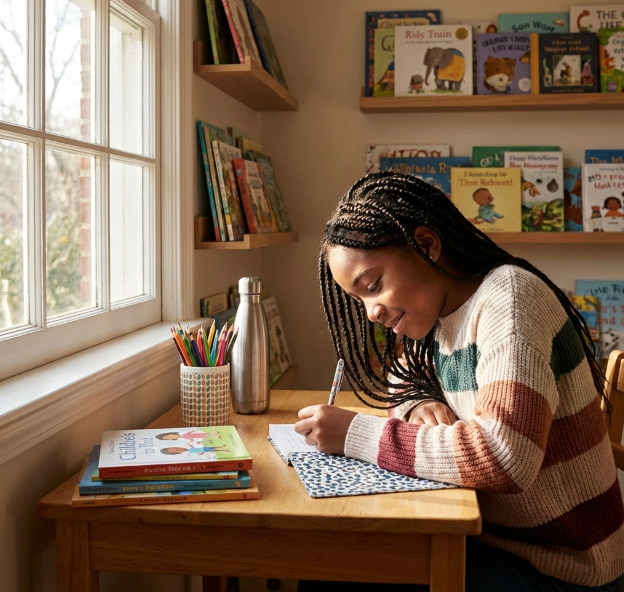
At Accomplish Press, we’ve made it our mission to give young people the tools to share their inner worlds and ideas with the rest of us. But nurturing the next generation of storytellers isn’t just about teaching kids to write pretty sentences (though that’s part of it). It’s about fostering creativity, building confidence, and showing young minds that their stories matter.
How daily creative writing practice can boost your child’s problem-solving skills
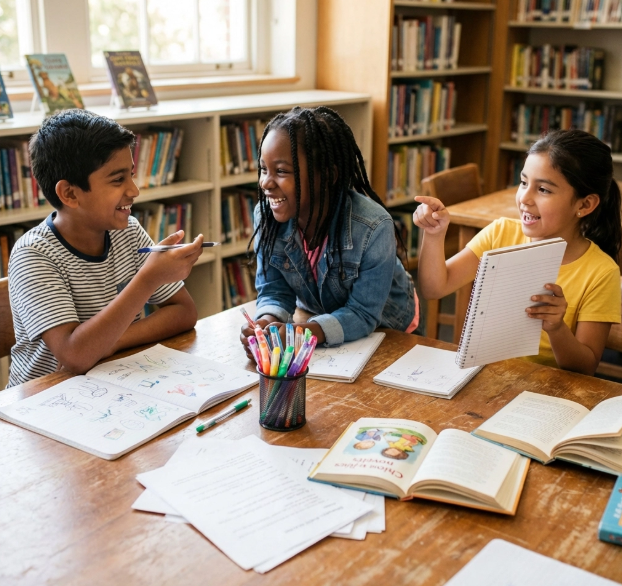
The brain science behind creative writing and problem-solving – When children engage in creative writing, they activate multiple areas of the brain simultaneously. They’re organizing thoughts, choosing precise words, structuring ideas with clarity, and managing several story elements at once: plot, characters, dialogue, and setting. This mental juggling act is exactly the kind of cognitive flexibility that translates directly into academic success.